 EN
EN
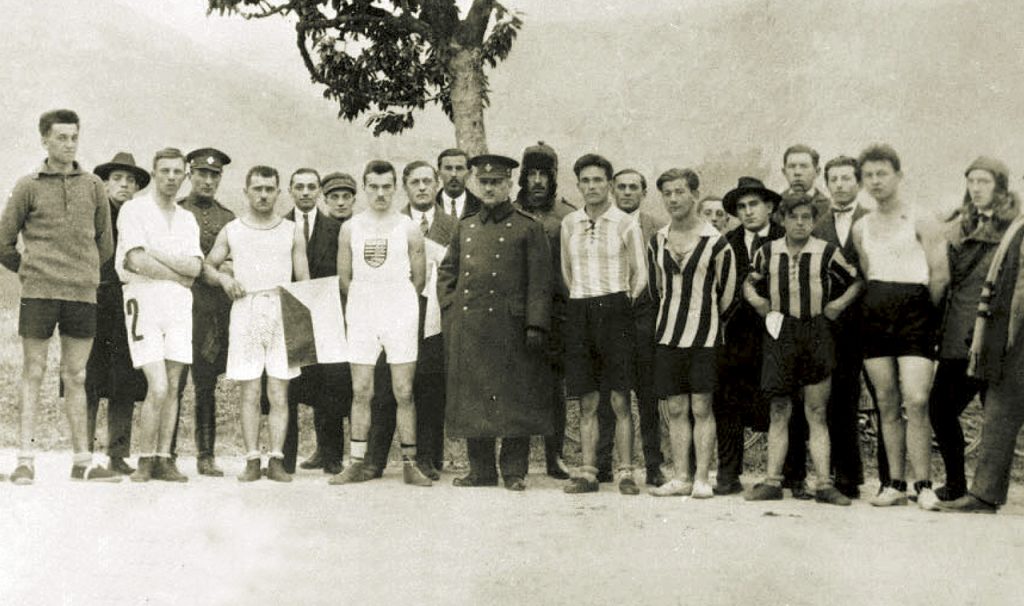
Start in Kosice 1924 - The only witnesses were Turňa Castle, gnawed away by time, and one great lone tree standing below it. - Photo: Kosice Peace Marathon
THE OLDEST MARATHON IN EUROPE COMMEMORATES THE 96TH ANNIVERSARY OF ITS ESTABLISHMENT ON OCTOBER 28, 2020
|
Probably five hundred metres beyond the village bearing the same name as the ruins, Turňa. Beneath this tree, beside the high road, the photographic artist focused the lens of his instrument on eight runners and a handful of other figures, all obsessed for a couple of weeks now with one common idea to transform the marathon dream into reality. A threesome of East Slovakian sports officials returned with this dream from Paris to Košice in 1924. For it was on one hot summer’s day in the Colombes Stadium at the eighth Olympic Games that they were gripped by this most noble of all athletic disciplines…
Those men, who remain to this day captured on that wonderful old yellowed photograph in their vests and shorts, even though it was 28th October and late in the year, had a true baptism of fire awaiting them, a trial of as yet untested strengths and abilities. Ahead of them through this attractive, interesting countryside stretched more than 42 kilometres of road all the way back to Košice. Halla, Tronka, Badonič and Kulcsár from the local Košice Athletics Club, Schuller from Slávia and the valiant soldiers Lenart, Zajič and Schmidt. No use looking for any famous Olympic runners there that day, for it was a bit later that they became charmed by the atmosphere of the Košice Marathon. In the propositions issued for this race by the Czechoslovak Amateur Athletic Union and published in the local newspaper “Kassai Napló”, it appeared in black and white that the first across the finishing line would get the title of Winner of the Slovakian Marathon together with an honorary prize and a certificate. The crack of the starter’s pistol cut through the cold autumn air exactly twenty minutes after midday, and these eight marathon pioneers ran off to face their little adventure. At Čečejovce Halla had already built up a 300-metre lead and the spectators welcomed him with applause, but when the Tatra limousine came through with the members of the jury who were ensuring the race rules were being kept, some sarcastic comments rang out by way of roadside encouragement along the lines of: “Why aren’t you running, you lot? Sitting in a car – anyone can do that!” By the turn-off to Malá Ida cyclists were already waiting for the runners so that they could accompany them and race on ahead to announce their imminent approach to the Košice crowds. The largest number of onlookers were lining both sides of Komenský Street, while others had occupied the best places they could find on the wooden grandstand of the sports-ground at the area then called Gajdove kúpele (“Gajda Spa”). The crowds roared a joyful welcome to the bewhiskered and fresh-looking Halla. A garland of laurel rested on his shoulders, the military band played a march, and in recognition of his victory the sky thundered with several salvoes of gun-fire. It was Tuesday, 28th October 1924, a little before half past three in the afternoon.
Many years later, on the marble plinth beneath the sculpture of the marathon runner in the little park in front of the East Slovakian Museum, there appeared the name of the first hero of the Košice Marathon – Karol Halla. At the celebration dinner following the race, the organizers praised Halla’s conscientious and thorough preparation and set their minds on two ideas, not only that there would be a marathon in Košice every year, but that each time there would also be international participation. The main ideas were presented by Vojtech Braun Bukovský. It was as if he had sensed back there in Paris that he would give up a good part of his life to the Marathon. He was not yet thirty years old when he congratulated Halla, but he already had vital experience in athletics (he was a shot-putter), university studies, and work in his family’s retail business. The variety of his activities was remarkable. Apart from the Marathon he is recorded as being a tireless organizer of cycle races, fencing, skiing and wrestling competitions, as well as being a journalist who understood his work perfectly. Branislav Koniar Excerpt from a book publication
|


